

How companies save IT costs in user management
User management costs time, nerves – and money. In a hybrid IT world with AD, Entra ID, cloud tools, and external identities, it’s becoming increasingly complex. But this complexity also holds great potential: Those looking to cut costs in user management can achieve significant savings through smart automation and modern platforms.
Index
Why user management keeps getting more expensive?
The IT landscape has radically changed in recent years. Instead of a single Active Directory, companies now manage hybrid environments with Entra ID, multiple cloud services, and external identities from partners, customers, or suppliers. Add to that countless SaaS tools, each requiring their own user data.
This diversity leads to enormous administrative effort: Duplicate maintenance, lack of transparency, and manual processes drive up costs and error rates. On top of that, security risks increase if access is not consistently reviewed and revoked. Another factor is the growing compliance and data protection requirements companies must meet – which also consumes time and money.
A key challenge is distributed identity management: How do you stay in control across complex environments with many systems and external identities? How do you avoid data silos and manual rework? You’ll find answers and solutions in our detailed article on Distributed Identity Management.
The solution lies in modern platforms that centrally manage and automate all identities. This reduces costs, minimizes errors, and increases security – enabling IT to focus on strategic tasks.
The IDM-Portal as a central solution –
7 Ways to cut IT Costs
If you want to cut costs in user management, you need to simplify and secure processes. Automation plays a key role here.
The IDM-Portal from FirstAttribute is a modern platform for identity and access management that makes this possible.
It brings all essential functions together in one interface – whether you’re working with Active Directory, Entra ID, or a hybrid environment.
So how exactly does the portal help reduce IT costs? Here are seven practical examples:
1. One Interface for Everything
User management is handled through a single platform – for AD, Entra ID, and third-party systems. This saves time by eliminating the need to switch between admin tools and reduces duplicate maintenance and error sources.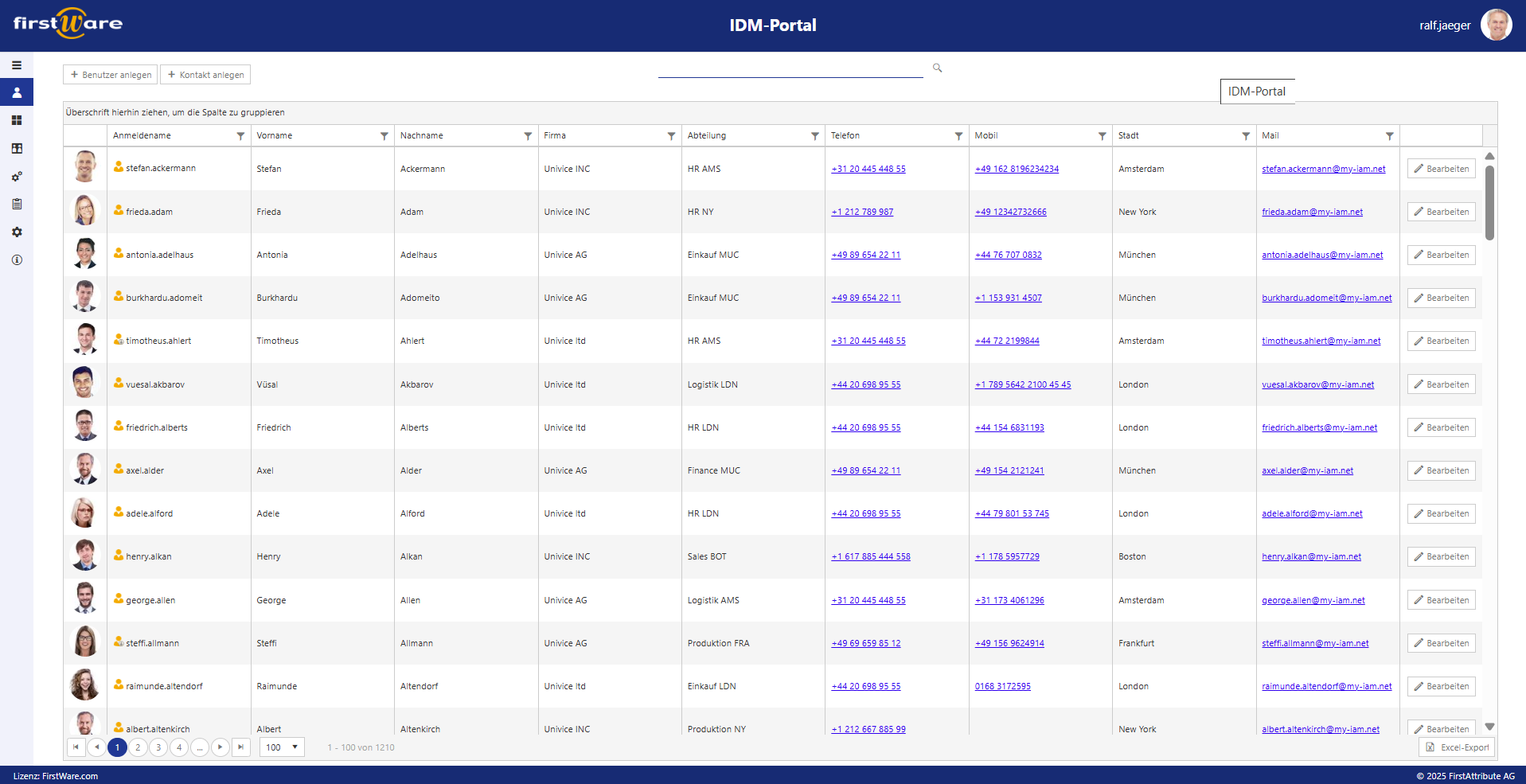
2. Faster Onboarding
New employees are onboarded faster thanks to partially automated onboarding. Access is granted automatically based on location or role. Predefined templates and pre-filled fields make setup efficient – new team members are ready to go from day one.
3. Delegation to Departments
Instead of routing all tasks through IT, departments such as HR or team leads can take on specific tasks – with clear rules and no risk. This relieves IT and speeds up daily processes.
4. Fewer Helpdesk Tickets
Standard requests like password changes or profile updates can be handled via self-services. Many companies have reduced their helpdesk tickets by up to 50% – saving time, lowering support workload, and easing the burden on IT staff.
5. Automated Processes
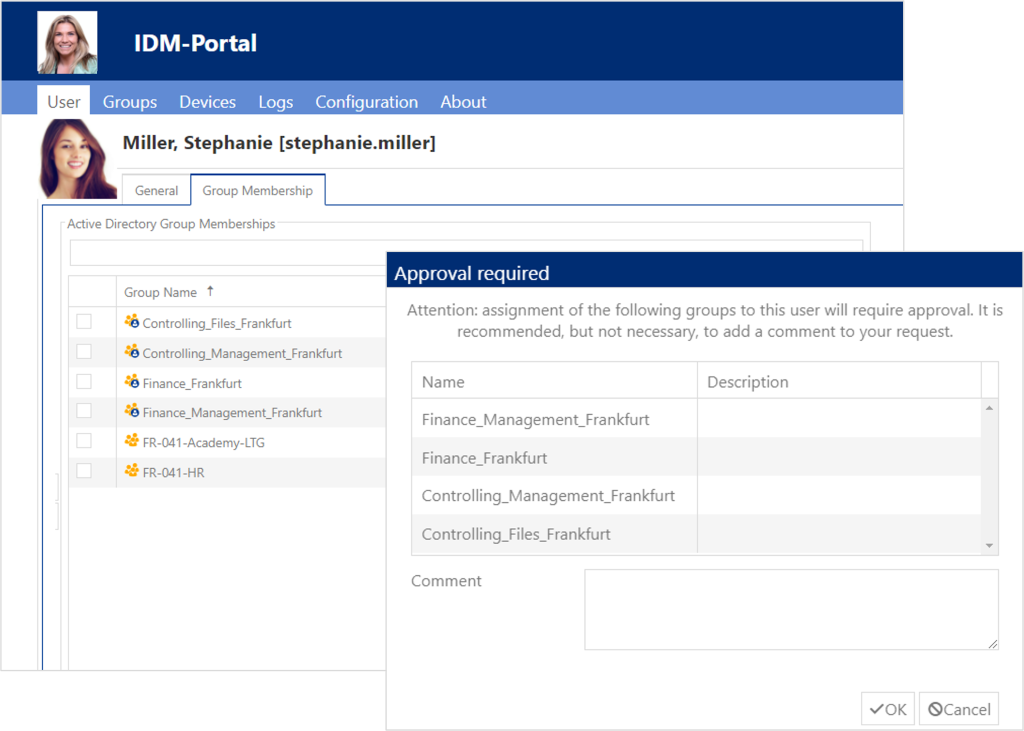
Approvals, role assignments, or changes are executed securely and rule-based – with no manual intervention. This speeds up workflows and prevents common permission assignment errors.
6. Clean License Management
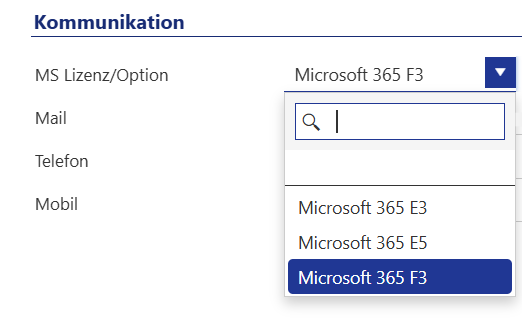 When employees leave the company or change roles, the system automatically revokes any no longer needed permissions. This ensures no unused licenses remain active – reducing license costs and minimizing compliance risks.
7. Secure Offboarding
As soon as someone leaves the organization, IDM-Portal revokes all access in real time. This ensures a seamless separation – no manual follow-up and no risk of unauthorized data access after departure.
All of these points demonstrate: Efficient user management not only means better organization and security – it also brings tangible financial benefits.
Conclusion
User management is challenging – but manageable. Those who use central platforms like IDM-Portal can cut costs, save time, and secure their processes.
If you’d like to find out how much savings potential exists in your company, get in touch with us.
More about FirstWare IDM-Portal
 The FirstWare IDM-Portal by FirstAttribute is an integrated Identity and Access Management (IAM) solution that enables automated management of users and their permissions – whether on-premises or in the cloud.
This portal integrates all aspects of identity and access management and provides centralized access to identity and directory services.
